Friday, 8 August 2014

Hokuto no Ken and Tai Chi


More and more people get surprised when I talk of Tai Chi as a "martial art". Most are incredulous: "I thought was a gym for the elderly." Others are just categorical "Come on, Tai Chi is not a martial art." 
I think it's time to disprove this myth once and for all. Of course, Tai Chi integrates many aspects of  physical and mental well-being, but we must not forget that it is a martial art that, among other things, has inspired many cinematic figures. First of all the Star Wars Jedi warrior. Character wise and revered, the title of Master is granted to the most revered and they are treated with the utmost respect. The Jedi warrior has great knowledge of the Force does not like violence, but it is ready to use it as a last resort. But this is not the only figure warrior inspired by Tai Chi. Yes, even Hokuto no Ken (one of the most violent cartoons for kids who have never seen !!!) is based, at least partially, on Tai Chi. 
The entire Hokuto's school is inspired to details that are mentioned several times in the practice of Tai Chi. 
As we have already discussed here, cosmology has a relevant aspect in Chinese history, but also in the theory of Tai Chi. The North Star, which indicates the north pole remain fixed in the sky, symbolizing the imperial palace, the center of everything, and is connected to the earth and symbolizes the change. This concept (the static nature of the fixed star that symbolizes the change) is central in Tai Chi, where equilibrium is achieved only through continuous change. The cosmology is reflected in the martial arts and the much celebrated Seven Stars of Hokuto appear again in the study of Tai Chi to indicate the seven natural weapons used during the battle to attack the opponent: head, shoulder, elbow, hand, hip, knee and foot. 
Then there's him, Toki! A species of Jesus resurrected thought a storm of steroids. Toki was clearly a practitioner of inner styles. He preferred the calm and patience and did not like in general the use of violence. It also had supreme knowledge of pressure points and their applications, both therapeutic and martial. It was probably a master of Qigong and Tai Chi ... and maybe even acupuncture! 

Finally, some architectural elements. Ken's school showed typical Buddhist statues that we have already seen the statues of Jin Gang. 


Well ... do not say to a Tai Chi warrior that his is not a martial art. 
The Force might be with him.

Thursday, 31 July 2014

Kenshiro ed il Tai Chi

Sempre piú gente rimane stupita quando mi sente parlare del Tai Chi chiamandolo "arte marziale". I piú sono increduli: "Cerdevo fosse una ginnastica per anziani". Altri sono proprio categorici "Dai, lascia stare, il Tai Chi non é un'arte marziale".
Credo sia ora di smentire questo mito una volta per tutte. Certo, il Tai Chi integra molte aspetti legati al benessere personale, fisico e mentale, ma non bisogna dimenticare che é a tutti gli effetti un'arte marziale che, tra l'altro, ha ispirato molte figure cinematografiche. Primo fra tutti il guerriero Jedi di guerre stellari. Personaggio saggio e venerato, ci si rivolge ai piú forti col titolo di Maestro e con estremo rispetto. Il guerriero Jedi ha grande conoscenza della Forza non ama la violenza, ma é pronto ad usarla come ultima ed estrema risorsa. Ma questa non é la sola figura guerriera ispirata al Tai Chi. Ebbene si, anche Ken il Guerriero (uno dei cartoni animati per ragazzi piú violenti che si siano mai visti!!!) si ispira, almeno parzialmente, al Tai Chi. 
Intanto l'intera scuola di Hokuto si ispira a particolari che vengono piú volte richiamati nella pratica del Tai Chi.
Come abbiamo giá discusso qui, la cosmologia ha un aspetto rilevante nella storia cinese, ma anche nella teoria del Tai Chi. La stella polare, che indica il polo nord rimanendo fissa nel cielo, simboleggia il palazzo imperiale, il centro di tutto, ed é legata all'elemento terra e simboleggia il cambiamento. Questo concetto (la staticitá della stella fissa che simboleggia il cambiamento) é centrale nel Tai Chi, dove l'equilibrio viene raggiunto solo attraverso il cambiamento continuo. La cosmologia si riflette sulle arti marziali e le tanto celebrate sette stelle di Hokuto compaiono nuovamente nello studio dei Tai Chi per indicare i sette armi naturali usate durante la lotta per attaccare l'avversario: testa, spalla, gomito, mano, anca, ginocchio e piede.
Poi c'é lui, Toki! Una specie di Gesú risorto grazie ad una tempesta di steroidi. Toki era chiaramente un praticante di stili interni. Prediligeva la calma e la pazienza e non amava in generale l'uso della violenza. Inoltre era sommo conoscitore dei punti di pressione e delle loro applicazioni, sia terapeutiche che marziali. Era probabilmente un maestro di Qigong e Tai Chi... e forse anche agopuntura!
Per finire, alcuni elementi architettonici. La scuola di Ken presentava tipiche statue buddiste che abbiamo giá visto: le statue di Jin Gang.

Insomma... non dite ad un guerriero Tai Chi che la sua non é un'arte marziale. 
La Forza potrebbe essere con lui 

Thursday, 3 July 2014

Let the Force flow. The Qigong


One of the concepts that have most influenced the development of the literary and cinematic universe of Star Wars is undoubtedly related to the Qi. In the Chinese tradition the Qi is a kind of esoteric force, and like the Force flows in all living creatures, and that in some way connects them all. Mastering the Qi would allow to perform almost unreal actions, like to remain suspended in the tip of the spears, break bricks against your head, get crashed sticks on the back are some of the most spectacular (and often honestly USELESS) actions. You can see a nice variety here. But there are even others secrets that some Master claim to be able to manipulate through the Qi... in this space I do not want to say too much about what you can really do or not do with Qi. With my eyes I saw amazing things... but closer analysis revealed a few tricks that made the implementation easier... but still remarkable.

Qi, literally means "air", but also "spirit". It is similar to the meaning of the Greek word psyche: the breath of life. Gong (or kung) means "technique" or "skill" So Qigong is the technique of breath or spirit. In addition to the above mentioned skills more or less esoteric Qigong is a discipline for the well-being of the body. Its origins, of course, are lost in time and have been attributed to more or less mythological characters. Today even the international scientific community is directing its attention towards these disciplines, especially to increase the well-being of the elderly. A quite famous group of exercises are the "8 pieces of brocade." A group of eight breathing and relaxation exercises for body and mind wellness. They are called so because the breath should be soft and smooth, flowing as the best silk flowing through your fingers. It is said to have been created around the 12th century by the famous General Yueh Fei... a semi-mythological figure. I will not give you a description of how to perform the exercises, but you can see here a nice performance. However, I give you a bit of information about the different movements. As usual, the names are very poetic ... but change from translation to translation. I present here the ones I like the most.

1) Palms raised to Heaven: Balances energy in all the internal organs activating the meridian called Triple Burner that refers to the Heart, Lungs and Stomach. Essentially is good for all these internal organs. 


2) Drawing the Bow: Realigns the back muscles and the spine. Strengthens the muscles of the arms abdomen, back and legs. Promotes overall good health and vitality. 

3) Separating Heaven and Earth: Invigorates the torso with energy from the heavens and from the earth (whatever it is). Opens the chest for deeper breathing. 

4) The Wise Owl Gazes Backward: Exercises the neck and eyes muscles, releases tension. Nourishes the internal organs with vital energy and freshly oxygenated blood.
5) Shake the Head and Swing the Tail: Expels Fire Energy from the system by drawing it out through the lungs and energy gates (This I don't really know what it means!!).

6) Press the Earth, Touch the Sky: Stretches and tones the entire spinal column. Promotes the circulation of freshly oxygenated blood to the brain. Balances energy flow between the front and back and the upper and lower parts of the body. 

7) Punching with Angry Eyes: Angry and tense feelings are dispelled. Additional oxygen is supplied to the blood.


8) Lifting Up the Heels: Generates waves of energy, improves blood flow to the internal organs, which helps
detoxify them. Enhances the balance and coordination. Draws terrestrial energy up from the earth
through the Bubbling Spring on the soles.

Well... I'm going to practice. May the Qi be with you. 

Thursday, 19 June 2014

Fate scorrere la Forza. Il Qigong.


Uno dei concetti che maggiormente hanno influenzato lo sviluppo, letterario e cinematografico, dell’universo di guerre stellari è senza dubbio quello legato al Qi. Nella tradizione cinese infatti il Qi è una specie di forza esoterica che, come la Forza, scorre in tutte le creature viventi e che, in qualche maniera, le collega tutte. Padroneggiare il Qi permetterebbe di compiere azioni al limite del reale, come restare sospesi in punta di lancia, spezzare mattoni a testate, farsi schiantare bastoni sulla schiena sono alcuni degli esempi più scenografici (e spesso anche onestamente INUTILI), e che potete vedere anche qui. Ma altri ancora sono i segreti che alcuni maestri dicono di riuscire a controllare attraverso il Qi… in questo spazio non vorrei sbilanciarmi su quello che si può veramente fare o non fare con Qi. Coi miei occhi ho visto fare cose incredibili… ma un’analisi più attenta ha svelato alcuni trucchetti che rendevano l’esecuzione più semplice… se pur notevole.

Qi, letteralmente significa aria, ma anche spirito. È simile al significato della parola greca psiche: il soffio della vita. Gong (o kung) significa “tecnica” o “abilità” Quindi il Qigong è la tecnica del respiro o dello spirito. Oltre alle sopra menzionate abilità più o meno esoteriche, il Qigong è una disciplina per il benessere del corpo. Le sue origini, ovviamente, si perdono nel tempo e sono state attribuite a personaggi più o meno mitologici. Oggi anche la comunitá scientifica internazionale sta dirigendo la sua attenzione verso queste discipline, soprattutto per aumentare il benessere degli anziani. Un gruppo di esercizi abbastanza famoso sono gli “8 pezzi di broccato”. Un gruppo di otto esercizi di respirazione e rilassamento per il benessere psicofisico. Si chiamano cosi perché il respiro dovrebbe essere morbido e liscio, scorrendo come la migliore seta scorre tra le dita. Si dice siano stati creati attorno al 12° secolo dal famoso generale Yueh Fei... a sua volta una figura semi-mitologica. Non sto a darvi descrizione di come effettuare gli esercizi, ma una bella esecuzione la potete vedere qui. Comunque vi do un po’ di informazioni relative ai diversi movimenti. Come al solito i nomi sono molto poetici… ma cambiano da traduzione a traduzione. Vi propongo quelli che mi piacciono di piú.

1) Sostenere il cielo con due mani: bilancia l’energia degli organi interni attivando il meridiano chiamato triplice riscaldatore che riferisce a cuore polmoni e stomaco. Quindi fondamentalmente fa bene per questi organi interni.


2) Tendere l’arco: Riallinea I muscoli della schiena e la colonna vertebrale. Rinforza i muscoli delle braccia, addome, schiena e gambe. Promuove il benessere generale. 

3) Una mano spinge il cielo e l’altra tocca la terra: rinvigorisce il torso con l’energia proveniente dalla terra e dal cielo (qualsiasi cosa essa sia). Apre il petto per respiri profondi. 

4) Il Gufo saggio si guarda le spalle: esercita i muscoli del collo e degli occhi rilassando le tensioni. Fornisce energia vitale e sangue ossigenato agli organi interni.
5) Scuotere la testa e agitare la coda: espelle l’energia di fuoco dal corpo facendola uscire dai polmoni e dai cancelli energetici (questo veramente non ho idea di cosa voglia dire).

6) Premere la terra e toccare il cielo: stira l’intera colonna vertebrale. Promuove la circolazione di sangue ossigenato verso il cervello. Bilancia il flusso di energia tra fronte e retro e parti superiori ed inferiori del corpo.

7) Colpire con sguardo irato: dissipa sentimenti di rabbia e tensione. Promuove l’ossigenazione del sangue.


8) Alzare i talloni: genera onde di energia, migliora il flusso del sangue verso gli organi interni aiutando a disintossicarli. Aumenta l’equilibrio e la coordinazione. Raccoglie l’energia della terra direttamente dalla terra attraverso le “sorgenti gorgoglianti” nelle piante dei piedi.

Vabbé... io vado ad esercitarmi. Che il Qi sia con voi.

Wednesday, 30 April 2014

Cavalieri urbani


Erano le 23:45. Due avventori, visibilmente ubriachi, chiacchierano seduti al bar. Il "grande maestro" MTV77 chiacchierava da dietro al bancone con un terzo avventore. Fuori il giovane padawan chiacchierava con un amico. I due avventori ubriachi erano noti al grande maestro. Vivono poco lontano dal bar e lavorano da quelle parti. Il primo, più giovane, chiede un'altra birra, ma MTV77 la nega. "Prima pagate le altre birre". "Dammi un'altra birra e ti pago domani". "No, mi paghi adesso e non ti do altre birre"

I due brontolano un po'. Il più anziano si alza e va alla porta. Fuori l'amico voleva andarsene, ma il giovane padawan rifiuta "sento un tremore nella Forza, restiamo".

Di li a poco l'ubriaco più giovane si alza e va al bancone per pagare. Fruga a lungo dentro al giaccone per estrarre un portafogli che non riesce ad uscire. Al suo posto l'ubriaco estrae una pistola e la punta contro il grande maestro. "La borsa o la vita". "Vuoi la mia vita? Vieni a prendertela!!". MTV77 con scatto felino afferra la pistola e con l'aiuto dell'altro avventore (e della Forza) disarma l'ubriaco, esce da dietro il bancone, corre alla porta per non far uscire i due e passa la pistola al giovane padawan. Lui mette la pistola al sicuro dentro la sua macchina da dove estrae la sua spada laser (il crick!!) e lo brandisce con agilità e maestria per difendere MTV77 ed evitare che i due balordi riprendano la pistola o fuggono fuori dal bar.

La polizia, allertata, tarda pochi minuti ad arrivare sul posto...  All'arrivo gli uomini in divisa chiedono cosa sia successo e l'ubriaco dice "niente, bevevamo una birra". MTV77: "cosa fai apposta?? Mi hai puntato una pistola addosso!!" "No, non è vero, tu sei razzista" (i due erano rumeni)... No comment...

L'evento è stato riportato dai grandi quotidiani galattici come forlitoday, corriereromagna e romagnanoi.

Insomma. Dormite tranquilli. I vostri sogni sono vegliati da grandi eroi. Io nel mentre spero che il maestro trovi il tempo di insegnarmi le sue più grandi tecniche di disarmo... come in figura

Per la cronaca, la pistola si è poi scoperta finta, ma li per il mica si sapeva.
Che la forza sia sempre con noi!


Sunday, 30 March 2014

Old Frame, First Routine, Part 1

One thing that has always fascinated me of Chinese martial arts are poetic names that are given to the various moves and positions. The white heron spreads its wings. The green dragon emerges from the water. The monkey stealing apples from the sacred tree. And many more. These names typically have roots in Chinese mythology and somehow describe the movement. 

For  curiosity a for completeness I decided to study the 74 movements in the form that I learned in China, the form 74, said Lao Jia Yi Lu (first routine of the old frame) and that you can review here or here.

I'm not writing here all 74 movements... it seems to me excessive. We will present them in different posts, but let's start with the first 4.

1) Tai ji qi Shi - Begin Taiji


2) Jin Gang Dao Dui - Buddha's Warrior Attendant Pounds Mortar. This name deserves a few words of explanation. Aside from the fact that at the moment is the movement of which I have seen more variations. Jing Gang,translated as "the Buddhist warrior", is in fact a particular Buddhist warrior. It's that warrior that typically guard the temples. Looking on the internet, however, I also found another explanation. It seems that Jin Gang also means "very hard", inflexible, like a diamond. This actually makes the idea of ​​movement, culminating in beating the right fist on the left open hand, in a position of great firmness and stability.


3) Lan Zha Yi - Lazily Tying Coat 


4) Liu Feng Si Bi - Six Sealings and Four Closings. It is not just that there are 10 movements (or at least I think), but it seems that the general meaning is "the guard of this position is so secure that you cannot pass." Evidently refers to the application martial. It would have to be applied, as many of the applications Tai Chi, in close fight.

At the moment I think it can be enough.
May the Force be with us.


La prima via dell'antica intelaiatura Parte 1


Una cosa che mi ha sempre affascinato delle arti marziali cinesi sono i nomi poetici che vengono dati alle varie mosse e posizioni. Il bianco airone dispiega le ali. Il drago verde emerge dall'acqua. La scimmia ruba le mele dall’albero sacro. E tante altre. Questi nomi hanno tipicamente radici nella mitologia cinese e descrivono in qualche modo il movimento che si sta intraprendendo all’interno della forma. 

Un po’ per curiosità un po’ per completezza ho deciso di studiarmi i 74 movimenti della forma che ho imparato in Cina, la forma 74 appunto, detta Lao Jia Yi Lu (prima via dell'antica intelaiatura) e che potete rivedere qui o qui.

Non mettiamo tutti i 74 movimenti qui... mi pare eccessivo. Li presenteremo in diversi post, ma cominciamo coi primi 4.

1) Tai ji qi Shi – Apertura del Tai Chi


2) Jin Gang Dao Dui - Jin Gang pesta nel mortaio. Questo nome merita due parole di spiegazione. A parte il fatto che al momento è il movimento del quale ho visto maggiori varianti. Jing Gang, che in inglese viene tradotto con “il guerriero buddista”, di fatto un è un guerriero buddista particolare. È quel guerriero che tipicamente si vede a guardia dei templi. Cercando un po' in internet però ho trovato anche un'altra spiegazione. Pare che Jin Gang voglia dire anche “molto duro”, inflessibile, come un diamante. Questo effettivamente rende l’idea del movimento, che si conclude picchiando il pugno destro sulla mano sinitra aperta, in una posizione di grande fermezza e stabilità.


3) Lan Zha Yi - Tenere pigramente il lembo del vestito

4) Liu Feng Si Bi - Sei sigilli e quattro chiusure. Non è che ci siano proprio 10 movimenti (o almeno credo), ma pare che il significato generale sia "la guardia di questa posizione è talmente sicura che non si può passare". Si riferisce evidentemente all'applicazione marziale. Sarebbe da applicare, come moltissime delle applicazioni Tai Chi, in lotta stretta.

Via dai, per il momento credo che sia sufficiente.
Che la forza sia con noi.

Thursday, 6 March 2014

The Force is strong within my family

Here in Barcelona the Force is flowing strongly into our house. We started watching both Star Wars trilogies. In the right order... that would mean, first episodes 4, 5 and 6 and then the episodes 1, 2 and 3. This led to OBVIOUS tremor in the Force that has been transformed in the arrival of two new roommates. Chewbacca and Darth Maul moved to our house, leaving their faces on two t-shirts that I wear often. But this has not calmed the Force. 

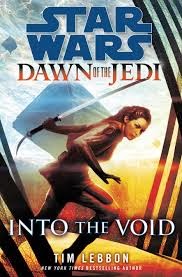
So I recently began one of the novels of Star Wars. Not knowing where to start I decided to start from the beginning... the very beginning... 10000 years before the events of the movies. Into the Void. Truly one of the last out, first published in 2013, but in fact the first book, in the Star Wars chronology, among more than 200 books. Then, while looking for info about this book, I found that on youtube there is also the audio book! And so I began to read and listen at the same time. It's a bit' like having your grandfather who tells you stories. It's not bad. But evidently it was not enough. The Force still had something to say ... something big. Then, in the last days, just as I was on vacation to relax, a message came from a friend who congratulated me! My first project which includes the study of tai chi as rehabilitation for arthritis patients was accepted. It's a matter of time (a month or two), and the contract will officially take place.

May the Force be with us!

Wednesday, 5 March 2014

La Forza scorre forte nella mia famiglia.

Qui a Barcellona la Forza sta scorrendo forte dentro la nostra casetta. Abbiamo cominciato riguardando tutte e due le trilogie di guerre stellari. Nell’ordine giusto... che vorrebbe dire, prima gli episodi 4, 5 e 6 e poi gli episodi 1, 2 e 3. Questo a OVVIAMENTE portato un tremore nella Forza che si è trasformato nell’arrivo di due nuovi compagni di appartamento. Chewbacca e Darth Maul si sono trasferiti a casa nostra lasciando le loro facce su due t-shirt che indosso spesso e volentieri. 
Ma questo non ha calmato la Forza. Cosi ho recentemente la lettura di uno dei romanzi di guerre stellari. Non sapendo da quale iniziare ho deciso di iniziare dall’inizio... molto inizio... 10000 anni prima degli eventi dei films. Into the Void. In verità uno degli ultimi usciti, pubblicato nel 2013, ma di fatto il primo, nella cronologia di guerre stellare, degli oltre 200 libri che raccontano le mille sfaccettature della saga! Poi, mentre cercavo info su questo libro, ho scoperto che su youtube c’è anche l’audio libro!! E cosi ho cominciato a leggerlo e ascoltarlo contemporaneamente. È un po’ come avere il nonno che ti racconta le favole. Non è male. Ma evidentemente non era ancora abbastanza. La Forza aveva ancora qualcosa da dire... qualcosa di grosso. Poi, negli ultimi giorni, proprio mentre ero in vacanza a rilassarmi, è arrivato il messaggio in un amico che si congratulava con me!  Il mio primo progetto che comprende lo studio del tai chi come riabilitazione per pazienti artrosici è stato accettato. È questione di tempo (un mese o due) e il contratto partirà ufficialmente.

Che la Forza sia con noi!!

Monday, 3 February 2014

“Young” Padawans in a mission.

After training young (and less young) padawans went back to their countries. Others just went on in their wandering around the world. Anyway, all of them brought their learnings with them… and some meet again.
Yes, the world sometimes seems so big, but at the end of the day I really think it is not... moreover, to use Master’s Yoda words, we are all connected in the Forse. And so, two martial arts amateurs met in Barcelona, training on the beach or in parks… or in a pub drinking a beer.

Thank you Torben, I hope we will meet again, and maybe with the others guys!


And may the Force be with us.

“Giovani” Padawan in missione.

 
Dopo l’addestramento i giovani (o meno giovani) padawan sono tornati ai loro paesi. Altri hanno proseguito il loro peregrinare in giro per il globo. Ma tutti si sono portati dietro gli insegnamenti che hanno appreso... e alcuni si reincontrano.
Si, perchè il mondo a volte sembra tanto grande, ma alla fine direi proprio che non lo è... e poi, per dirla come il Maestro Yoda, la Forza ci unisce tutti. E cosi in quel di Barcellona due appassionati di arti marziali si sono ritrovati ad allenarsi sulla spiaggia o nei parchi... o al pub a bersi una birra.


Grazie Torben, spero ci rivedremo presto e magari assieme agli altri!
E che la Forza sia con noi!

Sunday, 12 January 2014

The Celestial Empire

Merry Christmas and Happy New Year. I know, for Christmas I'm a bit late, but my PC was to the doctor, and at least for the new year I still have time! After holidays spent in lunches and dinners with friends, it is time to get back in motion, but keep calm ... tai chi style. So before I will read a bit. For Christmas I got a book by Margherita Hack on the myths and legends with which humanity has tried to explain the universe in the past millennia. Needless to say, a nice chapter is also dedicated to the Celestial Empire, and I've seen some of that things in my travel to china ... and now I'll tell you!


The Chinese cosmology had a political role and was closely linked to the regent dynasty. "The sky was divided in 5 buildings. The central building was located in the area surrounding the North Pole, a symbol of the imperial court and therefore had the highest position in Chinese cosmology. The circumpolar area was therefore built in the image and likeness of the imperial palace. The other 4 buildings were placed around the four cardinal stars along the ecliptic and were called the Palace of the East, South, West and North. Each palace representing one of the 4 seasons and, depending on the season, a temporary residence of the court."
Each building also represented one of the five elements that make up nature in Chinese mythology and is protected by one of the five mythological beasts, said Si Ling.
Qing Long, the blue dragon guardian of the East. It is associated with the spring, the colors blue and green, and the element wood, supports and defends the country (controls rain, symbol of imperial power). It is often coupled with Zhuque, the red phoenix, because both represent both the conflict is the joy of marriage. In both China and Japan, the dragon is a symbol of the emperor as the phoenix is symbol of the empress.
Zhuque, the Vermilion Phoenix, Guardian of the South is associated with summer, the color red, the element of fire. It is a symbol of knowledge, and luxuriant nature, occurs only in times of prosperity.
Báihǔla, the white tiger (or " Jade " ) Guardian of the West. It is associated with autumn, the color white, and the metal element. When you put some metal over a tomb, is a ceremonial connection with the tiger of jade, according to the Chinese Annals of Wu and Yue , three days after the burial of the king, the essence of the element metal took the form of a tiger jade and crouched down on the grave , becoming the protector. The white jade was often used to worship the god of the West, and took the name ' Jade Tiger ', for the Chinese the tiger was the king of all animals and lady of the mountains, so the jade tiger was an ornament reserved for commanders of armies. In particular, the male tiger was the god of war, and protected the Emperor's armies into battle, as well as from the demons in his grave.
Xuánwǔ the black turtle Guardian of the North. It is associated with winter, the color black, and the element of water, it is also a symbol of piety. It is often represented as a turtle with a snake coiled on its back. The turtle is a symbol of long life and happiness, and when a thousand years old, is able to speak the language of humans. The turtle is one of the Celestial Emblems, the symbol of wisdom and longevity, it is said that its shell is a strongbox for the universe. In particular, turtle and snake together are a symbol of longevity, it is said that their union put in danger the universe itself. It is interesting to note that in the beginning of all things Greek mythology the serpent of time (Chrono , not to be confused with the Titan Kronos, father of Zeus) revolved around the cosmic egg and breaking its shell gave birth to the Universe.

Finally Huanglong, the yellow dragon (or "golden") Guardian of the Center, and then the Imperial Palace, is more like a snake than the blue dragon. It is associated with the change of seasons, the color yellow, and the earth element.
Finally, going back to the theme of similarity with the West, it is interesting to note how two cultures distant and not connected have developed the same concept of nature based on fundamentals elements. Furthermore, the final solutions were extremely similar on to another. Four Elements in Greek culture and five in the Chinese and, moreover, three of these are common to both cultures. Indeed, we have Air, Water, Earth and Fire identified by Hippocrates in Greek culture and Water, Earth, Fire, Wood and Metal in Chinese culture.
I would say that as a beginning of the year that's enough.
Talk soon and may the Force be with us.


Saturday, 11 January 2014

L'impero celeste


Buon Natale e Felice anno nuovo. Si lo so, per il Natale sono un po’ in ritardo, ma il mio PC era dal dottore e comunque almeno per l’anno nuovo ho ancora tempo! Dopo un po’ di feste passate a pranzi e cene con gli amici è ora di rimettersi in movimento, ma con calma... in stile tai chi. Quindi prima mi do alla lettura. Per Natale mi è stato regalato un libro di Margherita Hack sui miti e leggende con cui l’umanità ha cercato di spiegare l’universo nei millenni passati. Inutile dire che un bel capitolo è dedicato anche al celeste impero e che alcune cose le ho viste anche io nei miei viaggi per la cina... e ora ve le racconto!!
La cosmologia cinese aveva un ruolo molto politico e strettamente legato alla dinastia reggente. “Il cielo era suddiviso in 5 palazzi. Il palazzo centrale era situato nell’area che circonda il Polo Nord, simbolo della corte imperiale e che dunque possedeva la posizione più alta nella cosmologia cinese. L’area circumpolare era dunque costruita ad immagine e somiglianza del palazzo imperiale. Gli altri 4 palazzi erano posti intorno alle quattro stelle cardinali lungo l’eclittica ed erano denominati Palazzo dell’Est, del Sud, dell’Ovest e del Nord. Ognuno rappresentava una delle 4 stagioni e, a seconda della stagione, una residenza temporanea della corte.”
Ogni palazzo rappresentava anche uno dei cinque elementi che compongono la natura nella mitologia Cinese ed è protetto da una delle cinque bestie mitologiche, dette Si Ling.
Qīng Lóng, il drago azzurro guardiano dell’Est. È associato alla primavera, i colori blu e verde, e l'elemento legno; sostiene e difende il Paese (controlla la pioggia, simbolo del potere imperiale). Spesso è accoppiato a Zhūqùe, la fenice rossa, perché entrambi rappresentano sia il conflitto sia la gioia del matrimonio. Sia in Cina sia in Giappone, il drago è simbolo dell'imperatore e la fenice dell'imperatrice.
Zhūqùe la fenice vermiglia Guardiana del Sud. È associata all'estate, il colore rosso, l'elemento fuoco. È simbolo di conoscenza, e natura rigogliosa; si manifesta solo in tempo di prosperità.
Báihǔla tigre bianca (o "di giada") Guardiana dell'Ovest. È associata con l'autunno, il colore bianco, e l'elemento metallo. Quando in una tomba si pone del metallo, è una connessione cerimoniale con la tigre di giada; secondo gli Annali Cinesi di Wu e Yue, tre giorni dopo la sepoltura del re, l'essenza dell'elemento metallo prese le sembianze di una tigre di giada e si accucciò sulla tomba, divenendone la protettrice. La giada bianca era spesso usata per venerare il dio dell'Ovest, e prese il nome di 'giada della tigre'; per i cinesi la tigre era il re di tutti gli animali e signora delle montagne, così la giada della tigre era un ornamento riservato a comandanti di eserciti. In particolare la tigre maschio era dio della guerra, e proteggeva le armate dell'imperatore in battaglia, oltre che i demoni nella sua tomba.
Xuánwǔ  la tartaruga nera Guardiana del Nord. È associata all'inverno, il colore nero, e l'elemento acqua; è anche simbolo di religiosità. È spesso rappresentata come una tartaruga con un serpente avvolto in spire sulla sua schiena. La tartaruga è simbolo di lunga vita e felicità; quando ha mille anni, è capace di parlare il linguaggio degli esseri umani. La tartaruga è uno degli Emblemi Celesti, simbolo di longevità e saggezza; si dice che il suo guscio sia la cassaforte dell'universo. In particolare tartaruga e serpente insieme sono simbolo di longevità; si dice che la loro unione mise in pericolo l'universo stesso. È interessante notare come nella mitologia greca all’inizio di ogni cosa il serpente del tempo (Chrono, da non confondere col titano Krono, padre di Zeus) girava attorno all’uovo cosmico e rompendone in guscio da inizio al tutto.
Infine Huánglóng, il drago giallo (o "d'oro") Guardiano del Centro, e quindi del Palazzo Imperiale, è più simile a un serpente rispetto al drago azzurro. È associato al cambio delle stagioni, il colore giallo, e l'elemento terra.
Infine, tornando al tema delle similitudine con l’occidente, è interessante notare come due culture lontane e non comunicanti abbiano sviluppato il concetto di natura basata su elementi fondamentali. Inoltre le soluzioni finali sono state per altro estremamente simili. Quattro Elementi nella cultura greca e cinque in quella Cinese e per altro tre di questi sono comuni ad entrambe le culture. Infatti abbiamo Aria, Acqua, Terra e Fuoco identificati da Ippocrate nella cultura greca e Acqua, Terra, Fuoco, Legno e Metallo nella cultura Cinese.
Direi che come inizio anno basta cosi.
Alla prossima e che la Forza sia con noi.